Lost in the Light: How Malaga’s Hidden Corners Stole My Heart
Wandering through Malaga, Spain, isn’t just about ticking off landmarks—it’s about getting delightfully lost in sun-drenched alleyways, stumbling upon secret plazas, and feeling the city breathe around you. I went seeking scenic spots but found something richer: a soulful rhythm in the shadows of cathedrals, along the harbor, and in quiet hilltop neighborhoods. This is a city that reveals itself slowly, one unplanned turn at a time. With no rigid itinerary, every corner offered a new invitation—to pause, to observe, to connect. Malaga does not shout its beauty; it whispers it in the rustle of palm fronds, the echo of footsteps on cobblestones, and the golden hush of late afternoon light spilling over whitewashed walls. For travelers willing to wander without direction, the city becomes not just a destination, but a living, breathing companion.
The First Glimpse: Arriving in Malaga with No Plan
Stepping out of Malaga’s airport, the Mediterranean sun wraps around you like a warm embrace. Unlike cities that greet visitors with urban clamor, Malaga unfolds gently. The ride into the historic center takes less than thirty minutes, and almost immediately, the landscape shifts from sleek terminals to clusters of ochre and white buildings nestled between hills and sea. There is no jarring transition—just a soft slide into a rhythm that feels both timeless and alive. I had booked a modest guesthouse near the Alcazaba but left my days unstructured, resisting the urge to map every museum and café in advance. This openness became the foundation of my experience.
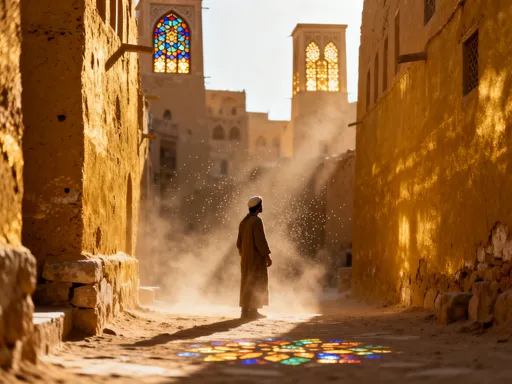
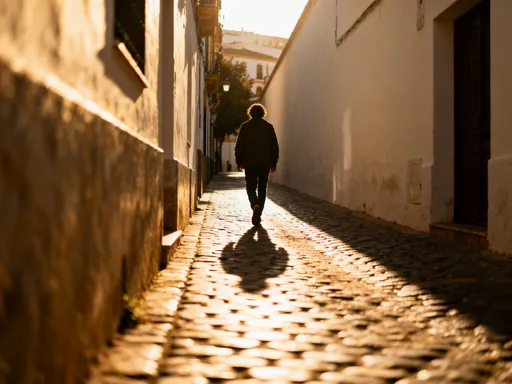
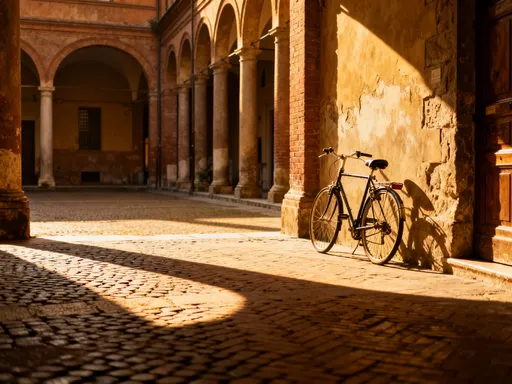
The old town, or Casco Antiguo, begins almost imperceptibly. One moment you’re on a wide avenue, the next you’ve turned down a narrow street where bougainvillea tumbles over wrought-iron balconies and laundry flutters between buildings like colorful flags. The scent of orange blossoms lingers in the air, mingling with the faint saltiness of the nearby sea. Locals move at a measured pace—men reading newspapers at sidewalk tables, women returning from market with woven bags full of produce, children chasing each other through quiet plazas. These are not staged scenes for tourists; they are the everyday rhythms of a city that lives fully in its own skin.
Within minutes of arrival, I realized that Malaga’s true character lies not in its famous landmarks but in the spaces between them. While guidebooks highlight the Picasso Museum and the Cathedral, the lifeblood of the city pulses in the backstreets where no tour groups venture. By choosing to wander without a plan, I allowed myself to be led by curiosity rather than checklist. This simple shift—replacing structure with spontaneity—opened the door to moments of genuine connection, unexpected beauty, and the quiet joy of discovery.
Alcazaba to Mirador: A Walk Through Layers of History
One of the most rewarding walks in Malaga begins at the Alcazaba, a Moorish fortress that rises from the base of Mount Gibralfaro like a crown of stone and greenery. Built in the 11th century during the Nasrid dynasty, the Alcazaba is not just an architectural marvel but a living testament to centuries of cultural exchange. As I entered through its grand arched gateway, the heat of the day gave way to cool shade beneath orange trees and myrtle bushes. Fountains murmured in tiled courtyards, their waters catching the sunlight like scattered coins. The scent of jasmine hung in the air, and the soft rustle of palm fronds provided a gentle soundtrack.
The Alcazaba is more than a ruin—it is a garden fortress, designed for both defense and delight. Its terraced layout follows the natural slope of the hill, offering glimpses of the city and sea through carefully framed archways. As I climbed the stone paths, I passed remnants of Roman columns repurposed into Moorish walls, a quiet reminder of how history in Malaga is not discarded but layered, like sediment in rock. The architecture speaks of Andalusian elegance—horseshoe arches, intricate stucco work, and courtyards arranged to capture breeze and light.
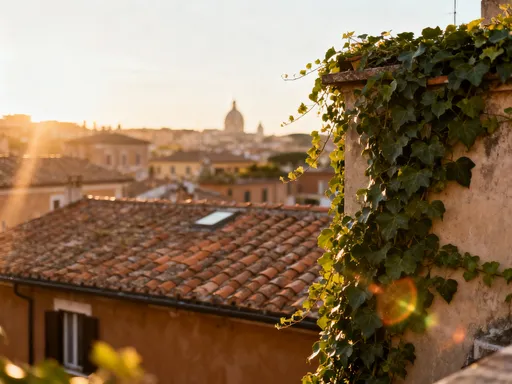
From the upper levels of the Alcazaba, a footpath leads toward the nearby mirador, or viewpoint, offering one of the most breathtaking panoramas in the city. The climb is gentle but meaningful, each step revealing more of Malaga’s layout—the port to the south, the grid of the old town, the distant curve of the coastline. At the mirador, the entire city stretches out below, bathed in soft morning light. Fishing boats bob in the harbor, cruise ships loom like floating cities, and the Mediterranean shimmers in shades of turquoise and deep blue. In that moment, Malaga’s geography made sense—the way the hills cradle the urban core, how the sea has shaped its identity for millennia.
What made this experience profound was not just the view, but the sense of continuity. Standing there, I felt connected to the countless others who had paused in this same spot—Moors, Romans, Phoenicians, and modern-day visitors—all drawn by the same magnetic pull of land and sea. The Alcazaba and its surrounding paths are not just tourist attractions; they are sacred corridors of memory, where history feels not distant, but immediate and intimate.
The Secret of Plaza de los Patos and Surrounding Alleys
Nestled in the heart of the historic center, away from the bustling main squares, lies Plaza de los Patos—a small, unassuming plaza known to locals for its charming duck fountain and unhurried atmosphere. Unlike the grand Plaza de la Merced or the tourist-heavy Cathedral Square, this quiet corner feels like a well-kept secret. Benches circle a central fountain where bronze ducks stand mid-quack, their presence whimsical rather than ornamental. Elderly neighbors sit here in the late morning, sipping coffee from paper cups, their conversations rising and falling like the chirping of sparrows in the trees above.
The real magic of Plaza de los Patos lies in its surroundings. The narrow alleys that radiate from it—Calle Beatas, Calle Casas de Campos, and others—are lined with pastel-colored buildings, their shutters thrown open to let in the breeze. Flower boxes overflow with geraniums and petunias, and doorways hint at hidden courtyards within. These are not curated for Instagram; they are lived-in, slightly weathered, and deeply authentic. Walking through them feels like moving through a series of private postcards, each one capturing a different shade of Andalusian life.
One afternoon, I followed a faint sound of hammering into a tiny workshop where an artisan was restoring an antique wooden door. Without speaking much English, he gestured for me to come closer, showing me the intricate carvings and the way the wood had been repaired with careful inlays. This kind of spontaneous interaction—born not from a tour but from wandering—was among the most meaningful moments of my trip. It reminded me that the soul of a city is not found in its monuments but in its people, their crafts, and their daily rituals.
These backstreets also reveal Malaga’s architectural duality—Moorish foundations topped with Renaissance and Baroque facades, narrow Islamic-style alleys opening into sunlit courtyards. Cats nap on stone steps, potted plants drape over balconies, and the occasional burst of flamenco music drifts from an open window. There is no pressure to perform, no expectation to spend—just the quiet hum of a neighborhood that exists for itself, not for visitors. In a world where so many historic centers have been sanitized for tourism, Plaza de los Patos and its surroundings feel like a rare sanctuary of authenticity.
From Roman Ruins to Contemporary Light: The Teatro Romano and Muelle Uno
Just a short walk from the Alcazaba lies one of Malaga’s most striking contrasts—the ancient Roman theater, partially buried for centuries and only fully excavated in the 1950s. Built in the 1st century BCE during the reign of Julius Caesar, this intimate amphitheater once hosted performances for up to 1,500 spectators. Today, it stands nestled between modern buildings, its semicircle of stone steps and weathered columns rising like a whisper from the past. Standing in the center of the stage, I could almost hear the echo of voices, the rustle of togas, the laughter of an audience long gone.
What makes the Teatro Romano so powerful is its humility. Unlike grand Roman ruins in Rome or Athens, this site does not overwhelm—it invites. Children climb the steps during school tours, couples take photos in the golden hour, and tourists pause to read the informational plaques in hushed tones. The acoustics remain remarkably intact; a whispered word from the stage can be heard clearly at the top row. This living quality—history not as exhibit but as experience—sets Malaga apart from cities that treat the past as something to be boxed and labeled.
Just minutes from the Roman theater, the atmosphere shifts again as you reach Muelle Uno, a modern harbor promenade that embodies Malaga’s forward-looking spirit. Sleek cafes, boutique shops, and contemporary art installations line the waterfront, their glass and steel reflecting the sun like mirrors. Yachts bob beside fishing boats, and families stroll along the wide pedestrian walkway, stopping to admire the view or sip cocktails at open-air bars. At sunset, the entire area glows—a fusion of old and new, where the past is not erased but embraced as part of a dynamic present.
The contrast between the Teatro Romano and Muelle Uno is not jarring but harmonious. One does not diminish the other; instead, they speak to Malaga’s ability to honor its heritage while evolving with grace. The city does not freeze history in amber—it allows it to breathe, to interact with the now. This balance is rare, and it is one of the reasons Malaga feels so alive. As the evening light gilded the water and the first stars appeared above the port, I realized that the city’s true brilliance lies in this seamless conversation between centuries.
The Soul of Montesión: A Neighborhood Beyond the Guidebooks
While most visitors concentrate on the waterfront and the historic core, the neighborhood of Montesión offers a quieter, more contemplative side of Malaga. Located just a short walk from the Cathedral, this residential area is anchored by the 18th-century Hospital Real de la Misericordia, a grand neoclassical building that once served as a hospital and now functions as a cultural center. Its symmetrical façade and central courtyard exude a sense of calm, a sanctuary from the busier streets nearby.
Wandering through Montesión, I was struck by its understated elegance. Tree-lined avenues, modest townhouses with flower-filled balconies, and small plazas shaded by plane trees create an atmosphere of domestic tranquility. This is a neighborhood where life unfolds at a human scale—where neighbors greet each other by name, where the morning ritual includes a stop at the local panadería for fresh bread and churros still warm from the fryer. The scent of cinnamon and fried dough lingered in the air each morning, mingling with the faint chime of church bells from the nearby Iglesia de Santa María de la Victoria.
What makes Montesión special is its resistance to tourism. There are no souvenir shops, no guided tours, no crowds. Instead, it offers a glimpse into the rhythms of everyday Malaga—mothers walking children to school, elderly men playing dominoes under awnings, shopkeepers arranging displays of olives and cheeses. I spent an entire morning sitting in a small café, watching the neighborhood wake up, sipping thick Spanish coffee and reading a novel in the dappled shade. It was not an event, not an attraction—just a moment of stillness, and all the more precious for it.
Montesión taught me that the deepest travel experiences often come not from ticking off sites but from slowing down. In a culture that glorifies productivity and efficiency, choosing to do nothing—truly nothing—can feel radical. Yet in this quiet corner of Malaga, idleness is not laziness; it is a form of presence. The neighborhood does not demand attention; it offers it gently, like a cup of tea on a sunlit balcony. For travelers seeking connection over consumption, Montesión is a model of mindful urban wandering—a reminder that the best way to know a city is not to conquer it, but to let it hold you.
Sunset at the Faro de Malaga: Where Sea, Sky, and Stone Meet
One evening, I followed a coastal path westward from the port, heading toward the Faro de Malaga, the city’s lighthouse. Perched on a rocky promontory, the lighthouse is not one of Malaga’s most famous landmarks, but it may be one of its most poetic. The walk along the Paseo del Parque and the subsequent cliffside trail offers uninterrupted views of the Mediterranean, its surface shifting from deep blue to molten gold as the sun begins its descent.
The path is simple—paved but unadorned, lined with sea grass and the occasional bench. Joggers pass by, headphones in, moving with purpose. Couples walk hand in hand, speaking in low tones. Solo travelers like myself find spots to sit on the rocks, cameras in hand or simply open palms resting on warm stone. There is a shared understanding here, unspoken but clear: this is a place for witnessing, for being present as the day turns into night.
When I reached the lighthouse, the sky was on fire. The sun, low and immense, hovered just above the horizon, casting long shadows across the water. The cliffs glowed amber, and the waves crashed below with a steady, hypnotic rhythm. Seagulls circled overhead, their cries blending with the distant hum of the city. For twenty minutes, time seemed to pause. A young woman unfolded a sketchpad and began to draw. An older man stood silently, hands in pockets, eyes closed, face turned to the warmth of the fading light. A child pointed excitedly at a dolphin breaking the surface in the distance.
What made this moment so powerful was its simplicity. There were no announcements, no crowds, no commercial distractions. Just the elemental beauty of sea, sky, and stone. In that stillness, I felt a deep sense of peace—a reminder that travel is not only about seeing new places but about feeling them, letting them reshape your inner landscape. The Faro de Malaga does not offer a spectacle; it offers a sanctuary. And in a world that rarely allows us to just be, that is a gift beyond measure.
Why Getting Lost Was the Best Plan
Looking back, the moments that stayed with me were not the ones I had planned. I did not fall in love with Malaga because of its museums or its famous sons, though they are impressive. I fell in love because of the old man who offered me a slice of orange in a hidden courtyard. Because of the impromptu guitar music drifting from an open window. Because of the way the light fell across a quiet street at 5 p.m., turning the world into gold.
By choosing to get lost—to wander without destination—I allowed the city to reveal itself on its own terms. Each unplanned turn led to a small revelation: a bakery with the best molletes in town, a hidden garden behind a cracked wooden door, a conversation with a shopkeeper who remembered my face after just one visit. These were not experiences you can find in a guidebook; they were gifts of presence, of openness, of slowing down.
Malaga is a city that rewards curiosity. Its beauty is not performative; it is embedded in the fabric of daily life. The true magic lies not in any single monument or vista, but in the rhythm of walking through its streets with no agenda, letting the city breathe around you. In an age where travel is often reduced to photo ops and checklists, Malaga reminds us that the most meaningful journeys are not about covering ground—but about deepening connection.
To visit Malaga without a plan is not to risk missing out—it is to invite wonder. It is to trust that the city will guide you, not through signs or maps, but through light, scent, sound, and serendipity. And when you finally find your way back to the port, or the train station, or the airport, you carry not just souvenirs or photos, but a quiet transformation—a heart gently stolen by sunlit alleys, secret plazas, and the simple, profound joy of being lost in the right place.