What Nobody Tells You About Shopping in Sihanoukville
You know that excited feeling when you land in a new city and can’t wait to explore the markets? I thought shopping in Sihanoukville would be fun and cheap—turns out, it’s a total jungle. From confusing prices to pushy vendors, I learned the hard way. This is not your typical tourist bazaar; it’s a mix of chaos, culture, and hidden bargains—if you know where to look. Let me walk you through what really goes down when you try to buy something as simple as a swimsuit or souvenir here.
First Impressions: The Chaos of Sihanoukville’s Markets
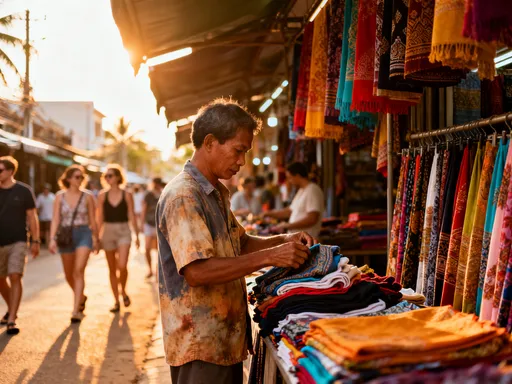
Stepping into the main shopping zones of Sihanoukville feels like entering a living mosaic of sound, scent, and movement. The air hums with the sizzle of grilled seafood from roadside stalls, mingling with the earthy aroma of damp pavement and dust kicked up by passing motorbikes. Along Serendipity Beach and the narrow lanes branching off Ochheuteal Pier, vendors spill out onto sidewalks, their colorful canopies shielding rows of flip-flops, sarongs, carved trinkets, and stacks of sunglasses. Every few feet, a new vendor calls out in broken English: "Best price! For you, special discount!" The energy is electric, but overwhelming—especially for first-time visitors.
The initial thrill of endless bargains quickly gives way to confusion. Signs dangle overhead with prices written in English, Khmer, and sometimes Russian or Chinese, each claiming "50% OFF!" or "$1 ONLY!" Yet these numbers often mean little until you start negotiating. What looks like a steal at first glance may end up costing three times as much after a tense exchange. This sensory overload—shouts, bright colors, constant motion—can cloud judgment. Many tourists, eager to secure a deal before moving on, end up paying more than necessary simply because they’re tired, hot, or unsure how to respond.
Psychologically, the environment is designed to keep you engaged, not necessarily informed. Vendors are skilled at reading hesitation and using it to their advantage. A simple pause after hearing a price might be interpreted as interest, prompting an immediate justification: "Very good quality, madam! Silk, not cotton!" Without preparation, even experienced travelers can fall into the trap of buying something they don’t need—or paying far above market value. The key is recognizing that this chaos isn’t random; it’s part of the rhythm of local commerce, where engagement is expected and silence is seen as disinterest.
The Price Trap: Why “Cheap” Isn’t Always Cheap
One of the biggest misconceptions about shopping in Sihanoukville is that everything is inexpensive. While some items are genuinely affordable, many tourists discover too late that the initial quote is rarely the final price—and sometimes, the opposite is true. Vendors often begin with inflated starting prices, particularly when they identify a foreigner. A plain cotton t-shirt might be offered at $10 near the beachfront, while just two blocks inland, the same style sells for $3. The difference isn’t quality—it’s location and perception.
Currency confusion adds another layer to the challenge. Although Cambodia uses the Cambodian Riel (KHR), U.S. dollars are widely accepted, especially in tourist areas. Some vendors quote prices in dollars but accept payment in riel at an unfair exchange rate unless you’re paying attention. For example, a $5 item might be paid with a $5 bill, but the change could come back in riel at a rate of 4,000 KHR to the dollar, even though the official rate is closer to 4,100. Over several purchases, these small discrepancies add up.
During one visit, I observed three different stalls selling nearly identical batik sarongs. The first vendor asked $12, then dropped to $8 after brief negotiation. The second started at $15, insisting it was "hand-dyed," and eventually settled at $9. The third, quieter stall tucked between two food vendors, simply held up the sarong and said, "Five dollar." No drama, no performance—just a fair price. This experience taught me that aggression doesn’t correlate with value. Often, the loudest seller has the highest markup, while the most honest ones let the product speak for itself. Knowing this can save both money and stress.
Haggling Culture: Play the Game or Get Played
In Sihanoukville, haggling isn’t optional—it’s part of the transaction. But success doesn’t come from shouting or acting tough; it comes from understanding the unspoken rules of the game. Cambodian vendors expect negotiation, but they also value respect. A calm, polite demeanor goes much further than confrontation. The goal isn’t to win, but to reach a fair agreement that leaves both parties satisfied.
One effective strategy is the “walk-away” technique. After hearing an initial price, offer half and wait. If the vendor hesitates, start walking. In many cases, they’ll call you back with a lower number. This works because for many street sellers, a small profit is better than no sale at all. I once tried this with a vendor selling woven baskets. He asked $7; I offered $3 and turned to leave. After five steps, he called out, "Okay, $4." I paused, turned back slowly, and said nothing. He looked at me, smiled, and said, "For you, $3.50." The silence spoke louder than words.
Another important principle is emotional neutrality. Showing excitement or desperation gives the vendor power. If you gasp at a low price or sigh in frustration, they’ll adjust accordingly. Instead, keep your expression neutral, handle items casually, and avoid phrases like "I really want this." Confidence—not aggression—is what shifts the balance. Remember, haggling is a dance, not a battle. When done respectfully, it can even become a moment of connection, ending with a smile and a thank you from both sides.
Where to Shop (and Where to Skip)
Not all shopping areas in Sihanoukville are created equal. The beachfront markets near Serendipity and Ochheuteal are the most crowded and tourist-focused. While convenient, they’re also where prices are highest and authenticity lowest. These zones cater to impulse buyers with limited time, so vendors have less incentive to offer real deals. That said, they’re useful for getting a sense of what’s available and comparing styles before moving to less trafficked areas.
For better value and more genuine goods, head to the side streets behind the main drag or explore local neighborhood markets. Areas near the Independence Beach or along the quieter stretches of Otres Beach tend to have smaller, family-run stalls with fewer scripted pitches. Here, you’re more likely to find handmade crafts, locally sourced spices, or unique textiles without the theatrical sales routines. One afternoon, I wandered down a narrow alley behind a noodle shop and stumbled upon a woman selling hand-stitched embroidery. Her prices were fixed and modest, and she seemed genuinely happy to explain her work without pressure to buy.
It’s also wise to avoid certain categories altogether, especially near tourist hubs. Electronics, branded watches, and designer sunglasses are almost always counterfeit. These items may look convincing at first, but closer inspection reveals poor stitching, mismatched logos, or flimsy materials. Even if you’re not concerned about authenticity, supporting this trade fuels illegal import networks and undermines local artisans. Instead, focus on products that reflect Cambodia’s real craftsmanship—items you can’t easily find back home.
What’s Worth Buying (And What’s Just Trash)
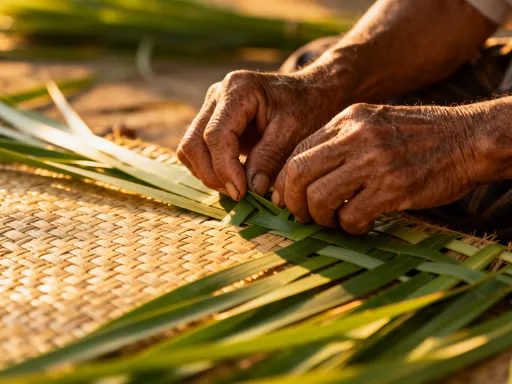
With so much on display, it’s easy to fill a suitcase with souvenirs that lose their charm by the time you get home. To avoid bringing back plastic junk, focus on quality and origin. Some of the best purchases in Sihanoukville are those that support local economies and preserve cultural traditions. Handwoven krama scarves, for example, are both practical and symbolic. Made from cotton or silk, these checked cloths are used by Cambodians for everything from head coverings to baby carriers. When bought from a skilled weaver, they represent generations of textile artistry.
Wooden carvings, especially those made from sustainable hardwoods, are another worthwhile buy. Look for pieces with smooth finishes and detailed craftsmanship—small elephants, lotus flowers, or traditional dancers. Avoid anything that feels unnaturally light or has rough, machine-made edges, as these are likely mass-produced imports from neighboring countries. Similarly, Kampot pepper and fish sauce make excellent edible souvenirs. Grown in the fertile floodplains near the Kampot River, this peppercorn is internationally recognized for its complex flavor. A small jar costs little but offers a real taste of Cambodian terroir.
To spot quality, use your senses. Examine stitching on clothing and bags—tight, even seams suggest care and durability. Feel the weight of textiles; heavier fabrics often mean better material. Smell spices and sauces—if they have a rich, aromatic depth, they’re likely authentic. And when in doubt, ask questions. A vendor who can explain where an item was made, who made it, or how it was produced is usually selling something with real value. These details matter, not just for your purchase, but for the story you’ll carry home.
The Human Side of Shopping: Vendors, Stories, and Respect
Beyond the transactions, every market stall represents a person with a life, a family, and daily struggles. Many vendors in Sihanoukville are not professional salespeople but ordinary people trying to make ends meet. I once spent a few quiet minutes talking with a woman named Sreyneang, who sold hand-painted fans near a small temple market. She shared that she wakes at 5 a.m. to prepare her goods, travels an hour by bus, and spends eight hours under a sun-warmed canopy, all to earn enough to feed her two children and pay for her daughter’s school supplies.
"Sometimes tourists get angry when I ask for $2," she said softly. "But if I sell five today, it’s only $10. After food and transport, maybe $6 remains. It’s not much." Her words shifted my perspective. What I saw as haggling for a bargain was, for her, a matter of survival. This doesn’t mean you should overpay, but it does mean approaching each interaction with kindness. A smile, a thank you, a moment of real conversation can make someone’s day—and enrich your own experience.
Mindful shopping means recognizing that every purchase has a human impact. Paying fairly supports local livelihoods; treating vendors with dignity fosters mutual respect. When you buy something, you’re not just acquiring an object—you’re participating in a shared moment of exchange. That simple fan I bought from Sreyneang isn’t just a souvenir; it’s a reminder of her resilience and the quiet strength of so many unseen workers behind the tourist façade.
Smart Shopping Strategies That Actually Work
After several trips to Sihanoukville, I’ve developed a practical approach that helps me shop smarter and more enjoyably. First, I arrive early in the morning. Vendors are less rushed, more willing to talk, and often offer better deals before the midday tourist rush. By 9 a.m., the light is soft, the air is cooler, and the market has a calmer rhythm—perfect for browsing without pressure.
I always carry small bills—$1, $5, and $10 notes—as well as some 1,000 and 2,000 riel coins. Large bills make it harder to get proper change and can lead to subtle overcharging. Having the right denominations shows you’re informed and makes transactions smoother. I also set a mental budget before entering any market area, which helps me stay focused and avoid impulse buys.
Another tactic I use is visiting the same stall twice. On the first pass, I ask the price without negotiating, then walk away. Later, I return and mention that I’ve seen the same item elsewhere for less. More than once, the vendor has quietly lowered the price without a word of protest. This test reveals whether the initial quote was flexible or fixed—and whether the seller is playing games or being honest. Over time, I’ve found that consistency builds trust; returning to the same vendors fosters familiarity and often leads to real discounts.
Finally, I remind myself that shopping here is not just about acquiring things. It’s a cultural experience—one that requires patience, awareness, and a willingness to engage. When you slow down, observe, and listen, the market transforms from a chaotic maze into a living story. You begin to see patterns, recognize faces, and appreciate the subtle dance of daily commerce. And when you do make a purchase, it feels earned, not rushed.
Conclusion
Shopping in Sihanoukville isn’t a transaction—it’s a test of awareness, patience, and respect. With the right mindset, you can walk away with real treasures, not just plastic junk. The pitfalls are real, but so are the rewards—if you’re willing to look beyond the surface. This city’s markets are not designed for passive consumers; they demand engagement, observation, and emotional intelligence. But for those who take the time to understand the rhythm, the game, and the people behind the stalls, the experience can be deeply rewarding.
You’ll learn to read between the lines of a price tag, to recognize quality with your fingertips, and to connect with strangers through a shared smile. More than souvenirs, you’ll bring home insights—about resilience, about culture, about the quiet dignity of everyday work. So the next time you find yourself under a faded market canopy, surrounded by noise and color, take a breath. Look around. Listen. And remember: the best deals aren’t always the cheapest ones. They’re the ones that honor both the buyer and the seller, leaving both a little richer in ways money can’t measure.