You Won’t Believe These Zion Viewpoints—Photography Heaven Found
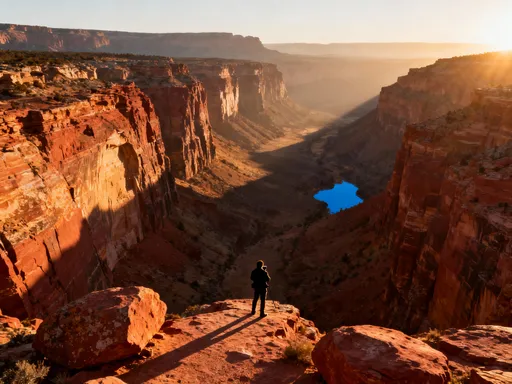
Zion National Park isn’t just red rock and tall cliffs—it’s a photographer’s dream come true. I’ve chased sunrises and scrambled up trails just to frame the perfect shot, and let me tell you, Zion delivers. From sweeping canyon overlooks to hidden nooks bathed in golden light, the viewpoints here don’t just impress—they transform how you see nature. If you’re looking to capture moments that feel almost too real, this is where your lens belongs. The interplay of light, shadow, texture, and color across the sandstone cliffs creates a visual symphony that unfolds differently with every season, every hour, and every step forward. For photographers seeking both grandeur and intimacy, Zion offers a rare balance: world-famous vistas paired with quiet, overlooked corners that whisper rather than shout. This is not a place of filters or fabrication—every hue, every contour, every beam of light is earned through timing, patience, and respect for the land. Whether you’re an experienced shooter or simply someone who wants to preserve the awe of standing at the edge of a vast canyon, Zion’s viewpoints promise more than just images—they offer transformation.
Why Zion’s Geography Makes It a Photography Powerhouse
Zion National Park sits at the intersection of geological drama and atmospheric magic, making it one of the most compelling natural stages for photography in the American Southwest. The park’s defining feature—its towering Navajo sandstone cliffs—was shaped over millions of years by the persistent flow of the Virgin River, which carved deep into the Earth’s crust, exposing layer upon layer of sediment deposited during the Jurassic period. These layers, rich in iron oxide, give the rock its signature reds, oranges, and purples, which shift in tone throughout the day depending on the sun’s angle. This dynamic color play is not just visually stunning—it offers photographers a constantly evolving canvas.
The park’s elevation ranges from about 3,666 feet at Coal Pits Wash to over 8,700 feet at Horse Ranch Mountain, creating dramatic microclimates and lighting conditions within a relatively compact area. As light moves across these gradients, shadows stretch and shorten, highlighting textures in the rock that resemble brushstrokes on a colossal canvas. The narrowness of Zion Canyon amplifies this effect, with sunlight often hitting only one wall at a time, leaving the opposite side in cool blue shadow—a contrast that adds depth and dimension to photographs. These natural contrasts allow for striking compositions even without advanced editing techniques.
Seasonal changes further enhance Zion’s photographic appeal. In spring, the return of greenery along the riverbanks creates a vivid contrast against the warm stone, offering opportunities for balanced, life-filled compositions. Summer brings long days and intense midday light, which can be harsh but also highlights the sheer scale of the cliffs when captured during golden hours. Fall introduces subtle shifts—cooler tones in the foliage and softer light—that lend a more contemplative mood to images. Winter, though less crowded, presents some of the most dramatic conditions: snow dusting the canyon rims while the lower walls remain sun-warmed, creating a rare juxtaposition of warmth and frost that few other desert parks can match. Each season tells a different story, inviting photographers to return again and again.
Angels Landing: Iconic but Worth the Hype?
Among all the viewpoints in Zion, none commands attention quite like Angels Landing. Rising 1,488 feet above the canyon floor, this narrow fin of rock offers one of the most breathtaking panoramic views in the entire National Park system. The trail to reach it is equally legendary—just over 5 miles round-trip, with steep switchbacks, exposed drop-offs, and a final half-mile along a narrow ridge with chains bolted into the rock for safety. While the hike is physically demanding, the photographic rewards are unparalleled. Every turn presents a new composition: the serpentine path below, the vast expanse of Zion Canyon stretching endlessly ahead, and the play of light across distant mesas.
For photographers, timing is everything. Arriving at dawn not only avoids the midday heat and crowds but also captures the canyon in its most ethereal state. As the first rays of sunlight creep across the eastern wall, the rock ignites in hues of amber and rose, while the valley floor remains wrapped in soft blue shadow. This contrast creates a sense of depth and drama that wide-angle lenses can capture with stunning clarity. Scout Lookout, a resting point about halfway along the trail, is often considered the best vantage for those who choose not to complete the final exposed section. From here, the view encompasses much of the canyon and allows for excellent framing of hikers ascending the final stretch, adding a human element to the grand landscape.
Despite its popularity, Angels Landing remains a must-visit for serious photographers. Its unique combination of elevation, exposure, and visual scale makes it nearly impossible to replicate elsewhere. The perspective from the summit—looking straight down into the heart of the canyon—offers a rare sense of verticality that few other trails provide. However, due to safety concerns and recent permit requirements, access is now limited. Reservations are required during peak seasons, emphasizing the need for careful planning. Those who secure a permit are rewarded not just with a photo, but with a visceral experience of nature’s power and beauty—one that lingers long after the camera is put away.
Canyon Overlook Trail: The Underrated Gem
If Angels Landing represents the pinnacle of Zion’s fame, the Canyon Overlook Trail is its quiet counterpart—a shorter, less crowded path that delivers an equally powerful visual punch. Located near the east entrance of the park, just beyond the final tunnel along Zion-Mount Carmel Highway, this 1-mile round-trip hike gains about 500 feet in elevation and ends at a dramatic overlook perched directly above Pine Creek Canyon. What sets this viewpoint apart is its intimate relationship with light and shadow, particularly in the late afternoon and at sunset, when the western-facing cliffs glow with warm, golden tones.
The trail itself begins with a gentle climb through a man-made tunnel carved into the rock, emerging into a series of switchbacks that lead upward along the canyon rim. Along the way, photographers can capture striking details: textured sandstone walls, desert wildflowers clinging to crevices, and the distant ribbon of the Virgin River winding through the valley below. The final approach to the overlook passes beneath a natural rock arch, which serves as a perfect framing device for photos looking back toward the trail or forward into the canyon. This natural arch, combined with the narrowing of the trail, creates a sense of discovery that enhances the emotional impact of the final vista.
Because the overlook faces west, it is ideally suited for capturing sunset light. As the sun dips below the horizon, the red rock walls catch fire, reflecting light back into the canyon and creating long, dramatic shadows that stretch across the landscape. This is prime time for using graduated neutral density filters to balance the bright sky with the darker foreground, or for shooting silhouettes of trees and rock formations against the glowing sky. The relative ease of access—no permit required, and minimal elevation gain compared to other trails—makes this an excellent choice for families, beginners, or photographers working with limited time. Yet despite its accessibility, the Canyon Overlook remains under-visited compared to Angels Landing or Observation Point, offering a rare chance to photograph a stunning scene in near solitude.
Observation Point: The Highest Vantage with Everything in Frame
For those seeking the most comprehensive view of Zion Canyon, Observation Point stands unmatched. At 6,500 feet in elevation, it offers a bird’s-eye perspective that few other trails in the park can rival. The most common route begins at Weeping Rock, following a well-maintained but moderately strenuous 5-mile round-trip trail that ascends 1,000 feet through switchbacks, rock tunnels, and alpine vegetation. Along the way, hikers pass through diverse ecosystems—from riparian zones fed by dripping springs to high desert scrub—and are treated to preview views that are impressive in their own right.
But it is the final approach to the overlook that takes your breath away. Emerging from a narrow rock corridor, the vista opens suddenly: the entire length of Zion Canyon unfolds beneath you, with the North Fork of the Virgin River winding like a silver thread through the red rock. From this height, the scale of the canyon becomes truly apparent. You can see the curves of the river, the layered stratification of the cliffs, and the way sunlight dances across different elevations simultaneously. This elevated perspective is ideal for wide-angle photography, allowing you to capture sweeping panoramas that convey the immensity of the landscape. Using panoramic stitching techniques, photographers can create ultra-high-resolution images that reveal intricate details across vast distances.
Because of its elevation, Observation Point often sits above the morning fog or haze that can linger in the lower canyon, resulting in clearer air and sharper images. This makes it particularly valuable during spring and early summer, when humidity levels rise. The trail is also less prone to extreme heat than lower-elevation hikes, offering a more comfortable experience during warmer months. While the hike is longer and steeper than Canyon Overlook, it remains accessible to most moderately fit individuals. And unlike Angels Landing, it does not require a permit, making it a reliable option for spontaneous or last-minute photography excursions. For those willing to invest the time and effort, Observation Point delivers one of the most complete and awe-inspiring views in the entire park.
Kolob Canyons: A Separate World of Light and Color
While most visitors focus on Zion’s main canyon, the Kolob Canyons section—located about 40 minutes northwest of the main entrance—offers a distinct and equally mesmerizing photographic experience. Part of the larger Zion National Park complex, Kolob is far less visited, which means fewer crowds, quieter trails, and more opportunities for undisturbed shooting. The area is characterized by towering red rock fingers, isolated mesas, and deep, narrow canyons that create a rhythm of light and shadow unlike anywhere else in the park. Because it lies at a slightly higher elevation and faces west, Kolob is especially well-suited for sunset photography.
The Taylor Creek Trail, the most popular route in Kolob, leads through a peaceful riparian corridor flanked by cottonwood trees and sandstone walls. About halfway along the trail, the Double Arch Alcove appears—a massive natural recess framed by two arching rock formations. This site offers excellent opportunities for interior canyon photography, where the interplay of indirect light and cool stone textures creates a serene, almost cathedral-like atmosphere. Further along, the trail continues toward the mouth of Long Canyon, where towering walls rise abruptly on either side, forming dramatic vertical lines that draw the eye upward.
What makes Kolob truly special for photographers is the quality of light in the late afternoon. With its westward orientation, the canyons receive extended exposure to setting sunlight, allowing for longer golden hour periods. This means more time to experiment with exposure settings, especially for capturing motion in water or using longer shutter speeds to smooth out flowing streams. The lack of overhead obstruction in many areas also makes Kolob ideal for twilight and low-light photography, where the lingering glow on the red rock walls can be captured with minimal noise using modern DSLR or mirrorless cameras. For those seeking solitude and a different visual rhythm from the main canyon, Kolob Canyons is a hidden treasure worth the detour.
Hidden Spots Along the Riverside Walk & Temple of Sinawava
Not every great photograph in Zion requires a strenuous climb. The Riverside Walk and the Temple of Sinawava—both accessible via the park’s free shuttle system—offer exceptional close-range photography opportunities with minimal physical effort. The Riverside Walk is a paved, 2.2-mile round-trip trail that follows the Virgin River through a narrow, intimate section of the canyon. Here, the walls rise vertically on both sides, creating a natural corridor where light filters down in soft, dappled patterns. This environment is perfect for capturing reflections in the river, especially in the early morning when the water is calm and undisturbed.
Photographers can use polarizing filters to reduce glare on the water’s surface, revealing the smooth, rounded stones beneath and enhancing the saturation of the surrounding rock. By adjusting the angle of the filter, you can alternate between showing reflections and seeing through the water—two entirely different compositions from the same location. The presence of hanging vines, moss-covered boulders, and overhanging cliffs also provides rich foreground interest, allowing for layered compositions that draw the viewer into the frame. Using a wide aperture can isolate specific elements, such as a single leaf floating on the surface or a patch of greenery clinging to the wall, adding intimacy to an otherwise grand landscape.
The Temple of Sinawava, the endpoint of the shuttle route and the beginning of the Narrows trail, serves as a natural amphitheater of rock. Its curved, bowl-like shape creates a sense of enclosure, making it ideal for capturing the convergence of sky, stone, and river. From this vantage, you can photograph the canyon walls rising in a semi-circle, with the river disappearing into the distance—a composition that emphasizes depth and perspective. The area is also excellent for experimenting with exposure bracketing, especially when the sun is high and the contrast between light and shadow is extreme. Even on busy days, early morning or late afternoon visits can yield peaceful, crowd-free moments perfect for contemplative photography.
Practical Photography Tips for Zion’s Changing Conditions
Success in Zion photography depends not only on vision but on preparation. The park’s rapidly changing weather, elevation shifts, and strict regulations require thoughtful planning. A sturdy tripod is essential for low-light shots, long exposures, and panoramic stitching, especially in shaded canyons or during twilight hours. However, be mindful of placement—tripods should not obstruct trails or block other visitors. Lens choices matter too: a wide-angle lens (16–35mm) is ideal for capturing expansive canyon views, while a telephoto lens (70–200mm) allows you to isolate distant rock formations, compress perspective, and highlight textures in the cliffs.
Weather protection is crucial. Sand, dust, and occasional rain can damage camera equipment, so using sealed bags, lens hoods, and protective filters is recommended. During summer months, extreme heat can affect battery life and sensor performance, so carrying spare batteries and keeping gear in the shade when not in use is wise. It’s also important to respect park rules: drones are strictly prohibited throughout Zion National, and off-trail hiking is not allowed due to erosion risks and visitor safety. These rules exist to protect both the landscape and the experience of others, so compliance is non-negotiable.
The shuttle system, while efficient, impacts timing. Since private vehicles are not allowed on the main canyon road during peak seasons, photographers must align their shooting schedules with shuttle operations. Arriving early—before 7 a.m.—is often the best way to secure a good spot on the first shuttle and reach key viewpoints at sunrise. Similarly, staying late allows access to golden hour and twilight shots without the rush of the midday crowd. Planning your route in advance, checking the National Park Service website for updates, and downloading offline maps can help you navigate the system smoothly. Ultimately, the most successful photographers in Zion are those who balance creativity with responsibility, adapting to conditions while preserving the integrity of the place they came to capture.
Conclusion: Chasing Light, Finding Perspective
Zion National Park is more than a collection of scenic viewpoints—it is a teacher of patience, timing, and reverence for the natural world. Each overlook, trail, and hidden alcove offers not just a photo opportunity, but a moment of connection. The light here does not rush; it unfolds slowly, revealing new layers of color and shadow with each passing minute. To photograph Zion well is to learn its rhythms, to anticipate its moods, and to show up—again and again—with humility and respect.
The viewpoints discussed—from the soaring heights of Angels Landing to the quiet intimacy of the Riverside Walk—represent different facets of the same truth: that nature, when left undisturbed, creates beauty beyond imagination. In an age where digital filters and artificial enhancements dominate visual culture, Zion stands as a reminder that some scenes need no editing. They ask only for presence, for stillness, for the courage to wait until the light is just right.
As you plan your visit, remember that photography in Zion is not about capturing the most likes or the widest panorama. It is about bearing witness. It is about carrying home not just images, but memories shaped by wind, rock, and time. So pack your gear thoughtfully, follow the rules, stay safe, and let the landscape guide your lens. Because in Zion, the best photographs are not taken—they are given.